Local Pet Insider - Cambridgeshire
Archives
The pet advice most owners only learn the hard way

Subscribe
Local Pet Insider - Cambridgeshire
Archives
The pet advice most owners only learn the hard way
Graham Waite
Feb 28, 2026
Welcome to Local Pet Insider — Cambridgeshire |
If you’ve ever found yourself Googling pet advice at 11pm, unsure whether something is “normal” or worth worrying about, you’re not alone.
Across Cambridgeshire from villages and market towns to busier urban pockets pet owners face the same daily questions:
Local Pet Insider Cambridgeshire exists to answer those questions with calm, practical, locally-relevant guidance without judgement, jargon, or internet nonsense.
Let’s get into this week’s issue 🐾 |
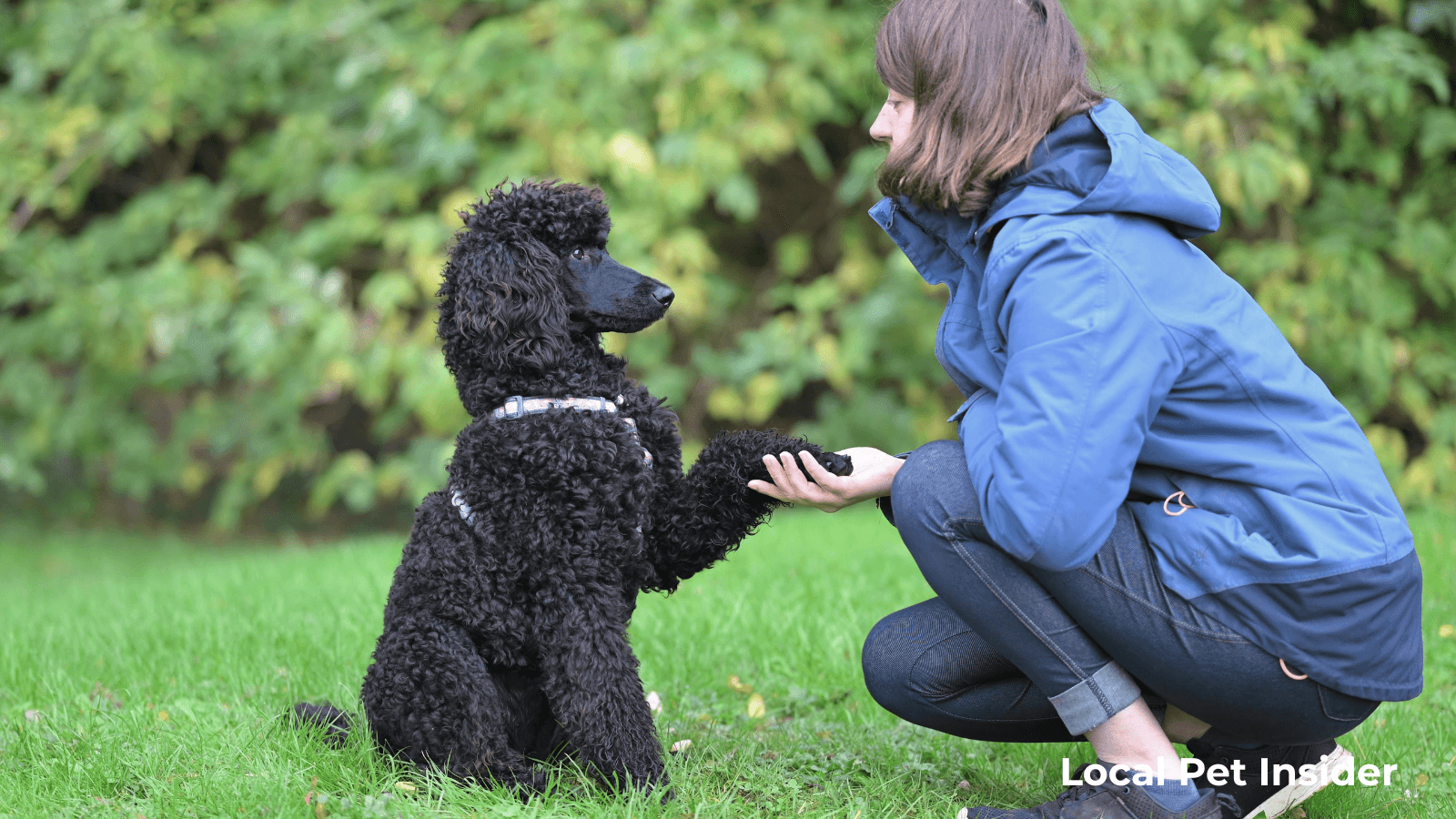 |
Why Recall Falls Apart Outside the Garden |
One of the most common frustrations we hear from dog owners across the county is this:
This isn’t stubbornness. It’s how dogs learn.
Dogs don’t automatically understand that a behaviour learned in one place applies everywhere. A recall practised in a quiet garden doesn’t magically transfer to:
Each environment adds new smells, sounds, and decisions.
What actually helps:
A small shift many owners report working:
|
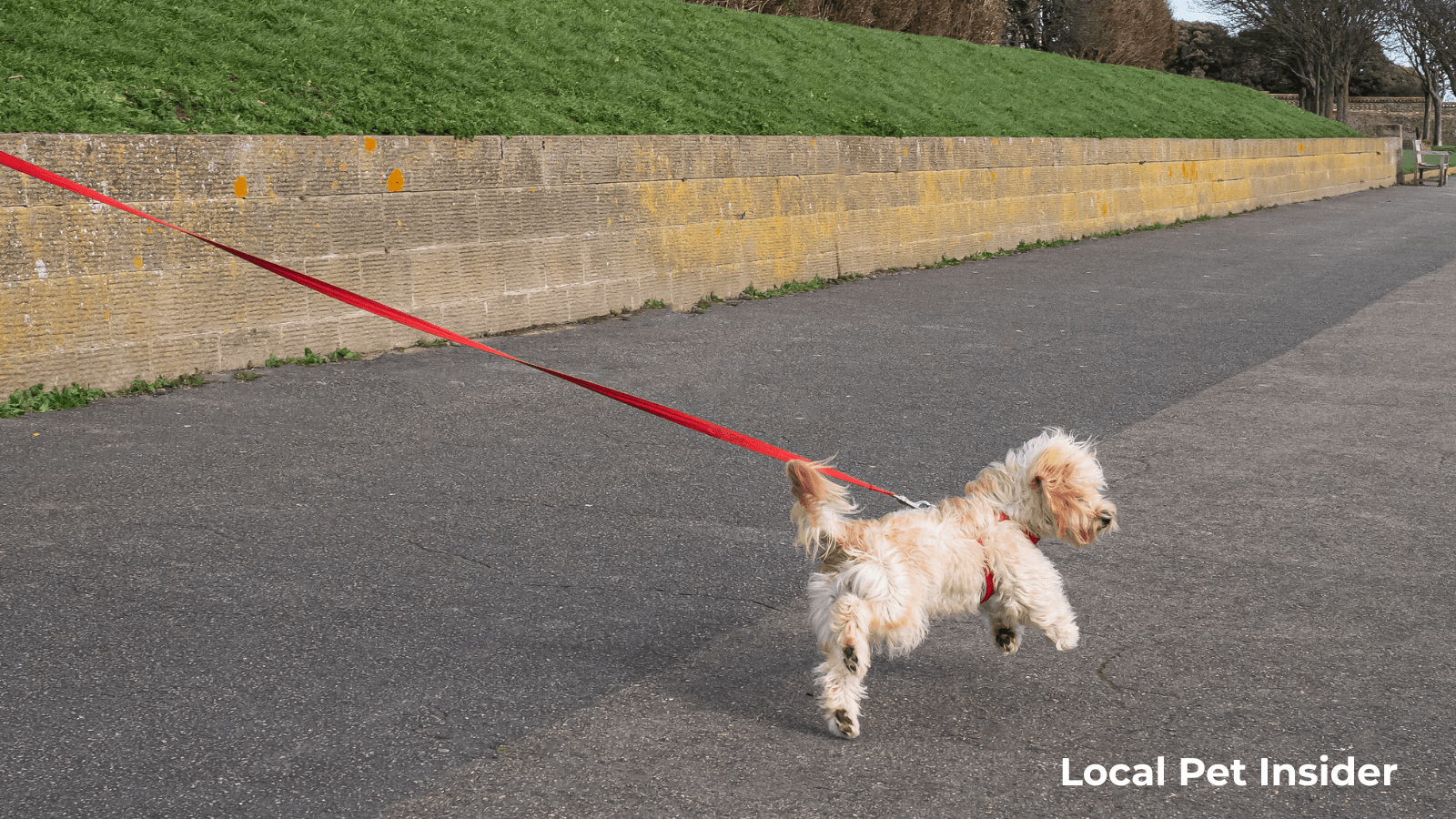 |
Lead Pulling: Why “Heel” Isn’t the Answer for Most Dogs |
Lead pulling is one of the top reasons people give up on enjoyable walks.
The problem?
Dogs pull because:
Try this instead this week:
Use at least 5 meter long leash/lead
Loose-lead walking isn’t about perfection. It’s about predictability. |
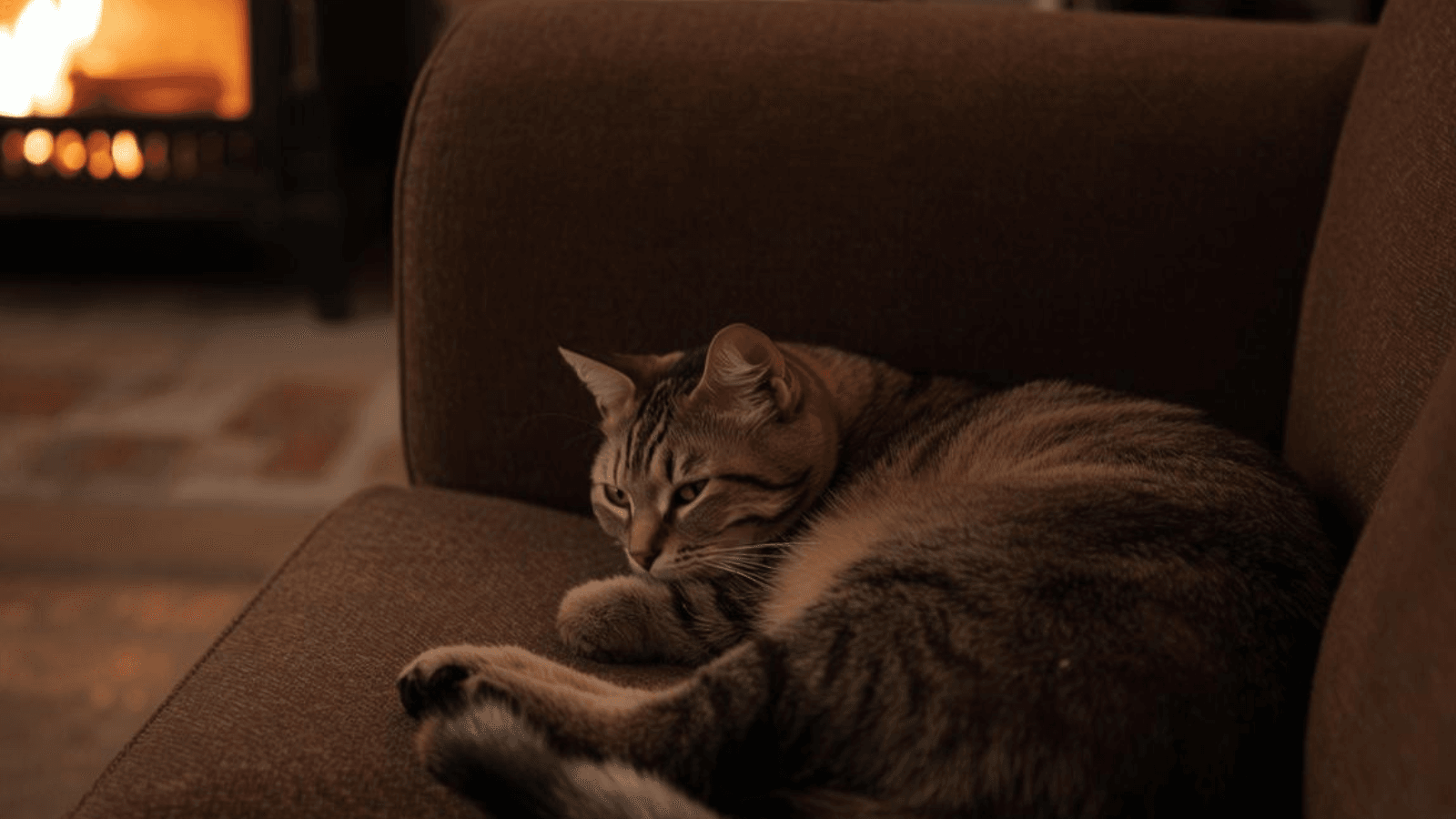 |
Winter Cat Behaviour: What’s Normal, What Isn’t |
As daylight hours shorten, many cat owners notice subtle changes:
For most cats, this is seasonal and routine-related.
What helps:
When to keep an eye on things:
Cats rarely show pain clearly routine awareness matters more than panic. |
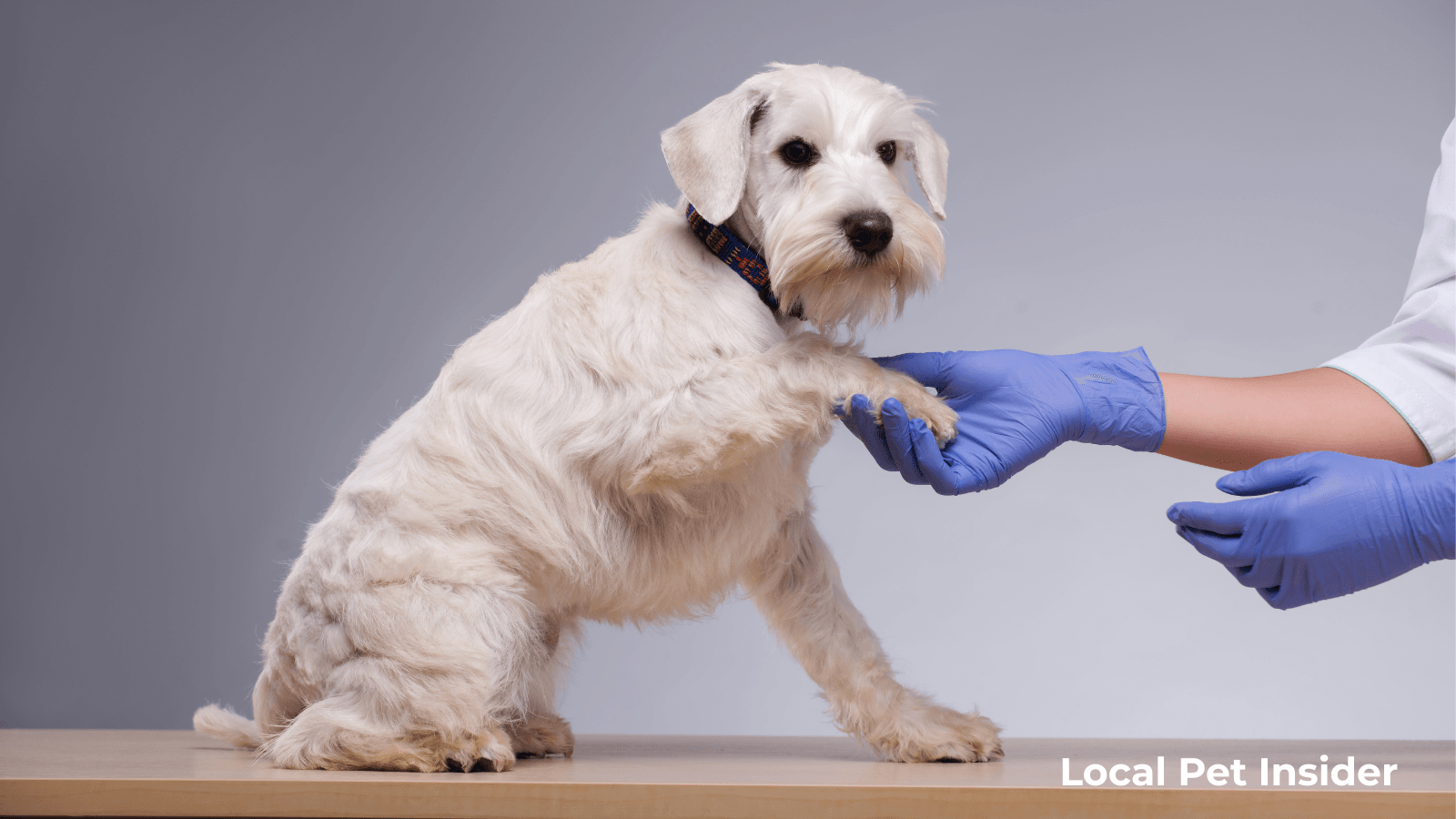 |
Vet Visits: Why “Waiting It Out” Sometimes Backfires |
Across Cambridgeshire, vets regularly see cases where owners delayed visits because symptoms felt “minor”.
While not everything needs an urgent appointment, early checks often prevent bigger issues especially for:
A useful rule many vets suggest:
Peace of mind counts too. |
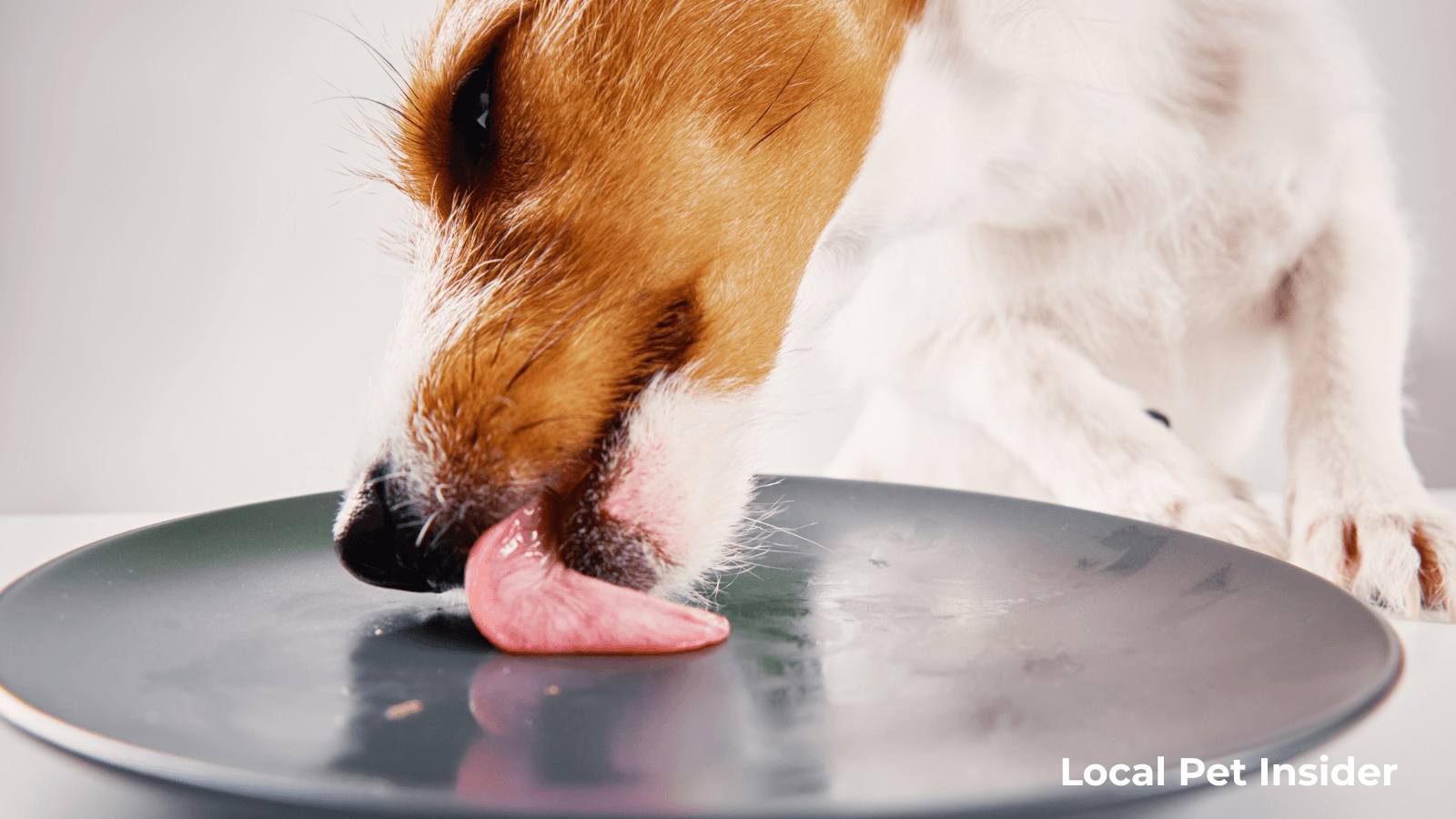 |
Pet Nutrition: Why Feeding Decisions Go Wrong |
Food is one of the most common causes of avoidable problems vets see not because owners don’t care, but because advice is inconsistent and often contradictory.
The pattern is familiar:
For most healthy pets, frequent food changes cause more problems than they solve.
What generally works better:
If you do need to change food:
Important note for cat owners:
|
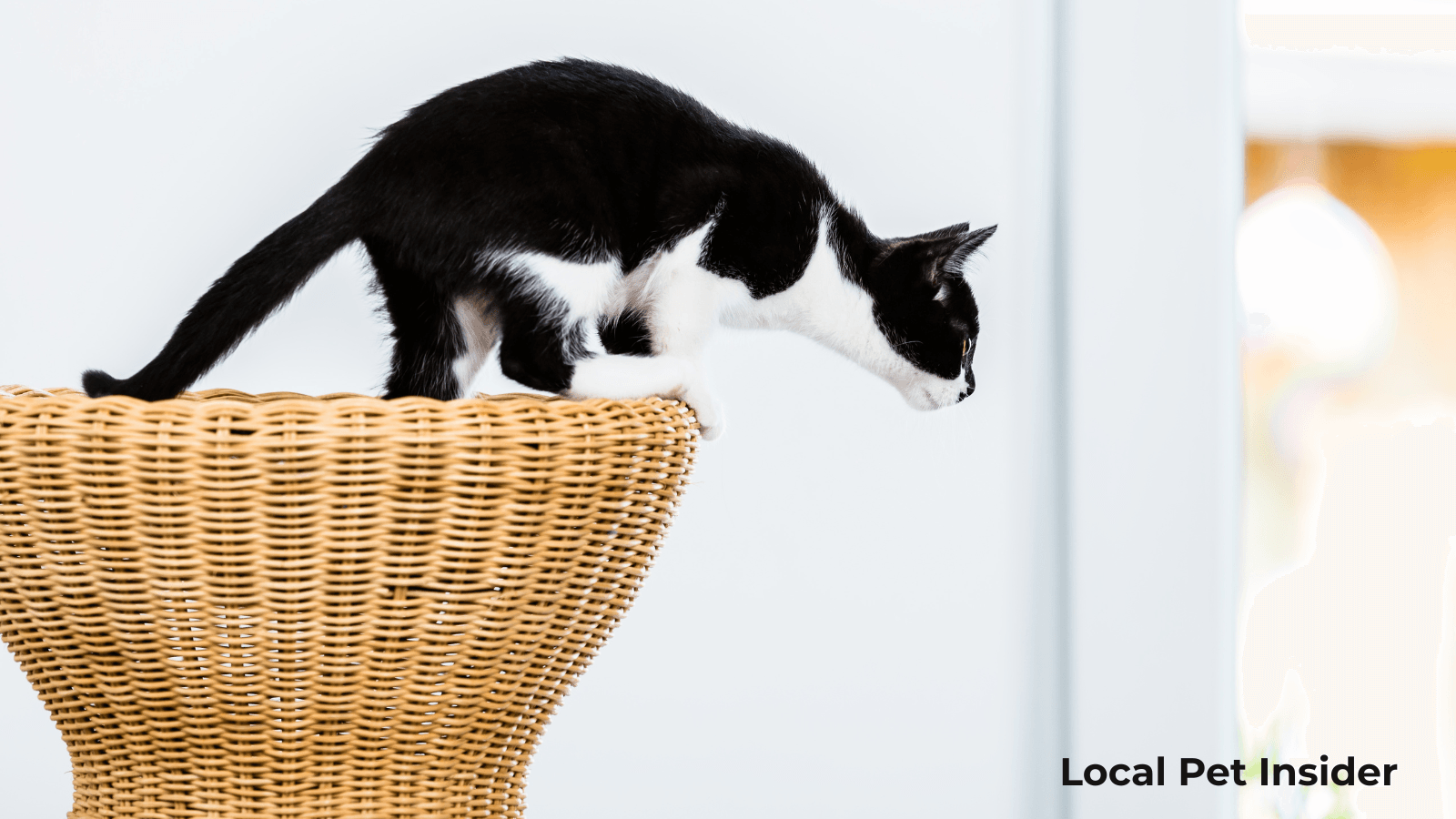 |
Cats: Changes Owners Often Miss Until They Matter |
Cats don’t announce problems in obvious ways. Instead, they change routines.
Things owners frequently dismiss as “nothing”:
jumping onto furniture less often
A simple habit that helps:
Cats rarely show pain clearly. Routine observation catches problems earlier than waiting for something dramatic. |
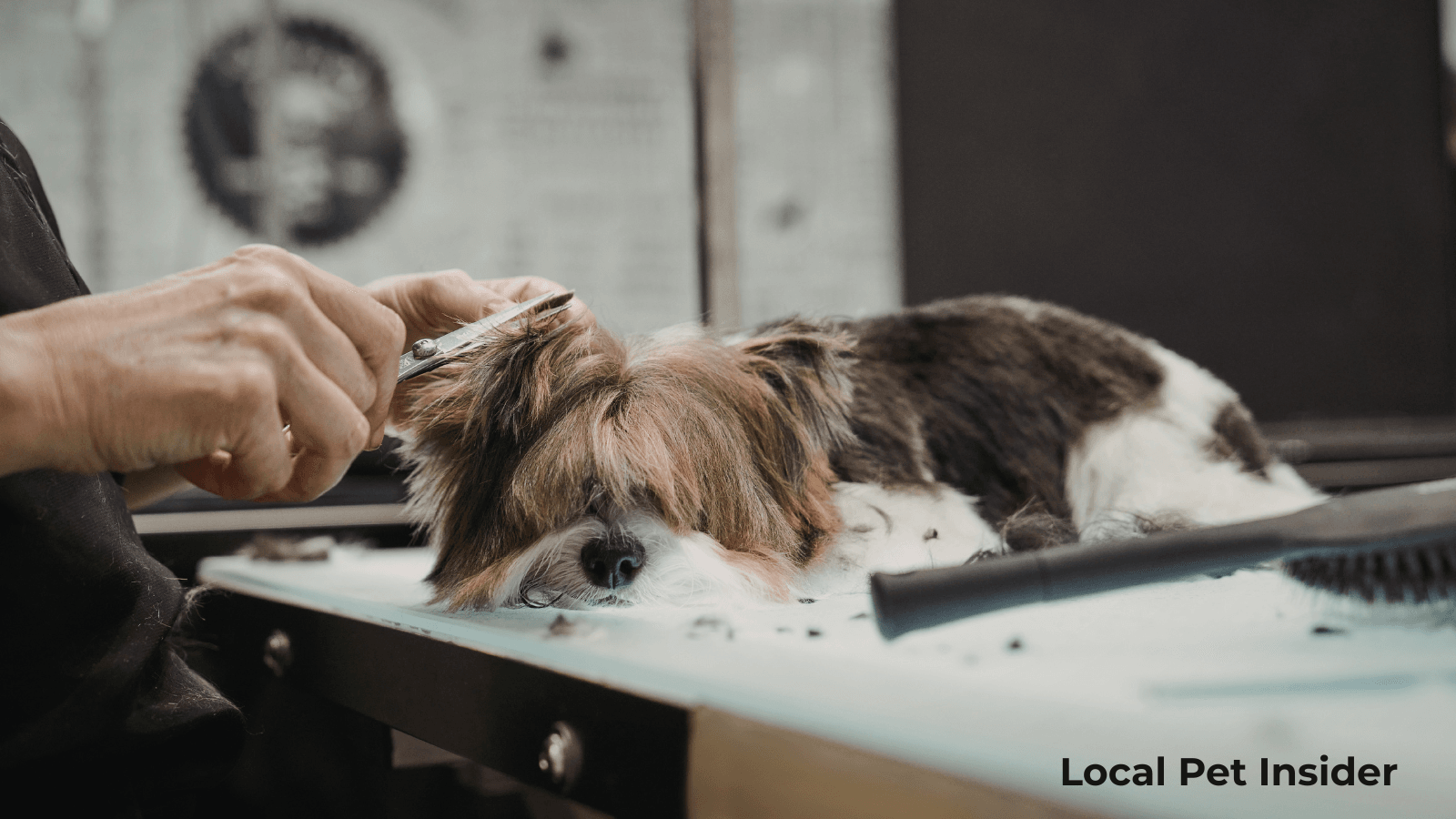 |
Grooming: A Health Check Disguised as Maintenance |
Grooming isn’t about appearance it’s one of the easiest ways to spot problems early.
Regular grooming helps you notice:
This matters especially for:
Even short sessions at home brushing, checking ears, handling paws make it easier to spot changes before they turn into vet visits.
If grooming has become difficult, that itself can be a sign of discomfort. |
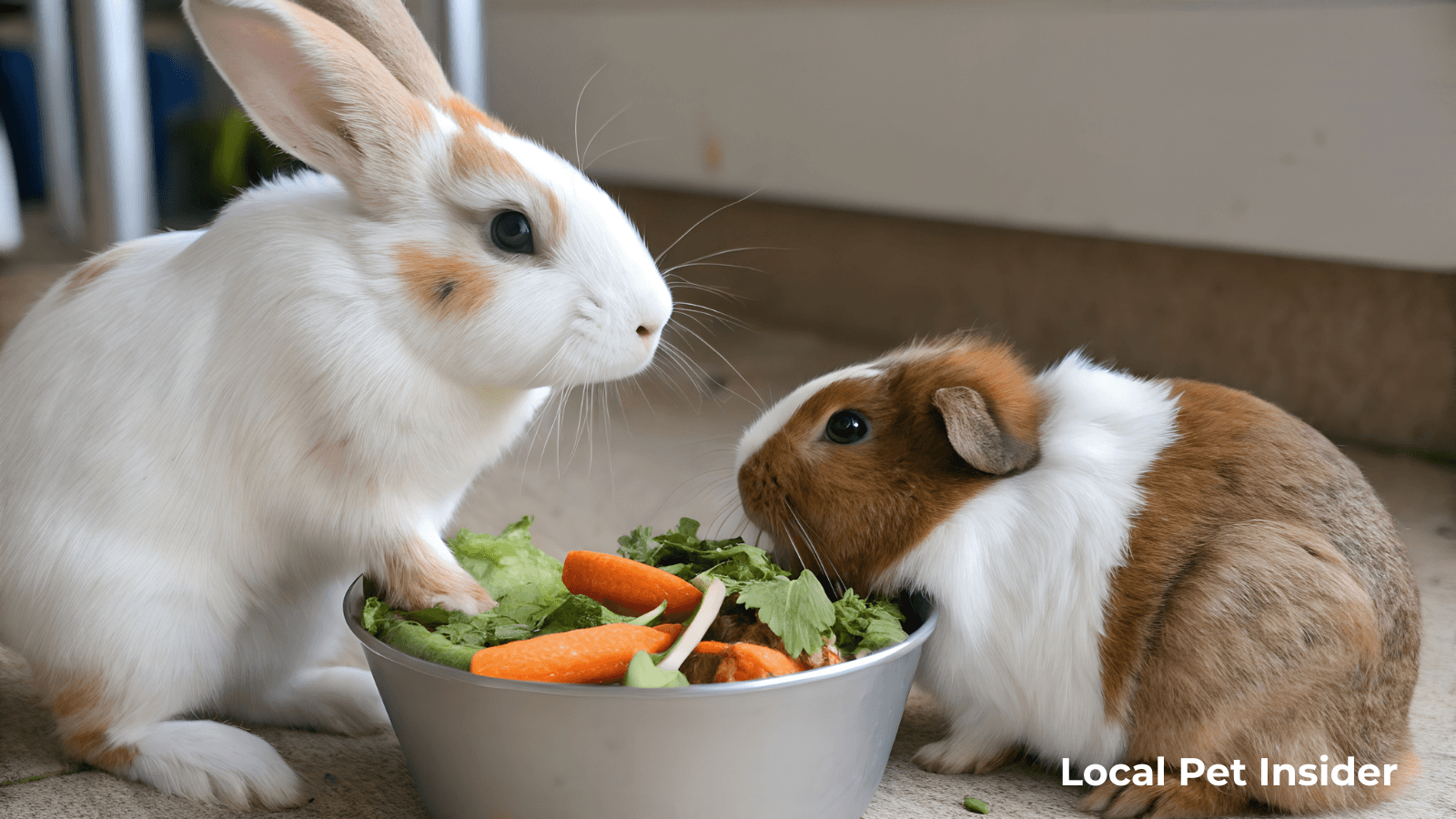 |
Other Pets: Different Animals, Different Rules |
Many Cambridgeshire households care for animals beyond dogs and cats particularly rabbits and small mammals.
These pets often suffer because advice is:
Common issues vets still see:
If you keep smaller animals, it’s worth checking that your care information reflects current veterinary guidance, not something that’s been repeated for years.
Small pets hide illness extremely well — prevention matters more than treatment. |
Pet Insurance: What the Policy Doesn’t Explain Clearly |
Pet insurance usually makes sense but many owners only understand the details after a claim is made.
Things that regularly surprise people:
Before you need to claim, it’s worth checking:
Insurance can protect you from large, unexpected bills but only if you understand how your policy works when it’s actually used. |
 |
Giveaway of the Week — Smarter Dog Training |
Whether you’re walking village lanes, town parks, or open fields, dog training challenges tend to follow you everywhere.
That’s why this week’s giveaway comes from Raimonda at Smarter Dog Training, a Cambridgeshire-wide service built around flexible, digital support for real life not rigid class times.
Win:
👉 To enter:
Winner announced next issue. |
 |
Rescue Spotlight — The Ones Waiting the Longest |
Across Cambridgeshire, rescue centres are seeing longer stays for:
These animals are often:
Ways to help beyond adoption:
Support doesn’t have to be all-or-nothing to matter. |
Training Tip That Actually Sticks |
If training feels stuck, try this change:
Dogs learn best when:
Three fun minutes beats thirty boring ones. |
Competition of the Week — Community Fun |
No prize just fun.
Question:
Comment on the Cambridgeshire Spotlight Facebook post and we’ll share a few favourites next week. |
 |
Until Next Time |
That’s it for this week’s Local Pet Insider Cambridgeshire.
Next week we’ll be covering:
If there’s something you want answered tell us on Facebook.
This newsletter is built with its readers, not at them. |
